HOA Fees In Bonita Springs: What They Cover
December 4, 2025

December 4, 2025
Are you trying to make sense of HOA or condo fees in Bonita Springs and wondering what you actually get for the money? You are not alone. With coastal weather, amenity-rich communities, and new inspection rules, fees can look complex at first glance. In this guide, you will learn what dues typically cover, why they change, and how to verify the details before you buy or sell. Let’s dive in.
If you are comparing homes and condos, start with the legal basics. Florida condominium communities operate under Chapter 718, and single-family or townhome HOAs typically follow Chapter 720. Cooperatives fall under Chapter 719. The type of community you choose influences what the association must maintain and insure.
In most condos, the association covers the building exterior and shared structural elements, then carries a master insurance policy for those common parts. In most single-family HOAs, dues fund common-area upkeep but not the home’s structure, so you insure your own dwelling. Amenities and location add another layer since resort-style or coastal settings usually cost more to operate.
Every association is unique, but most budgets include some mix of the items below. Always confirm with the association’s governing documents and budget.
Before you budget, check what remains your responsibility as an owner.
Boards approve annual budgets that cover operating expenses and reserve contributions. Reserve studies estimate the timing and cost of major repairs and help guide how much money gets set aside each year.
If reserves and the operating budget fall short, associations can levy special assessments to pay for capital projects or unexpected expenses. These can be one-time or spread out. Review your community’s governing documents to understand approval and notice requirements and to gauge potential cost.
Associations in Florida can charge late fees and interest and can place liens per statute and recorded documents. High delinquency rates can strain a budget and influence dues.
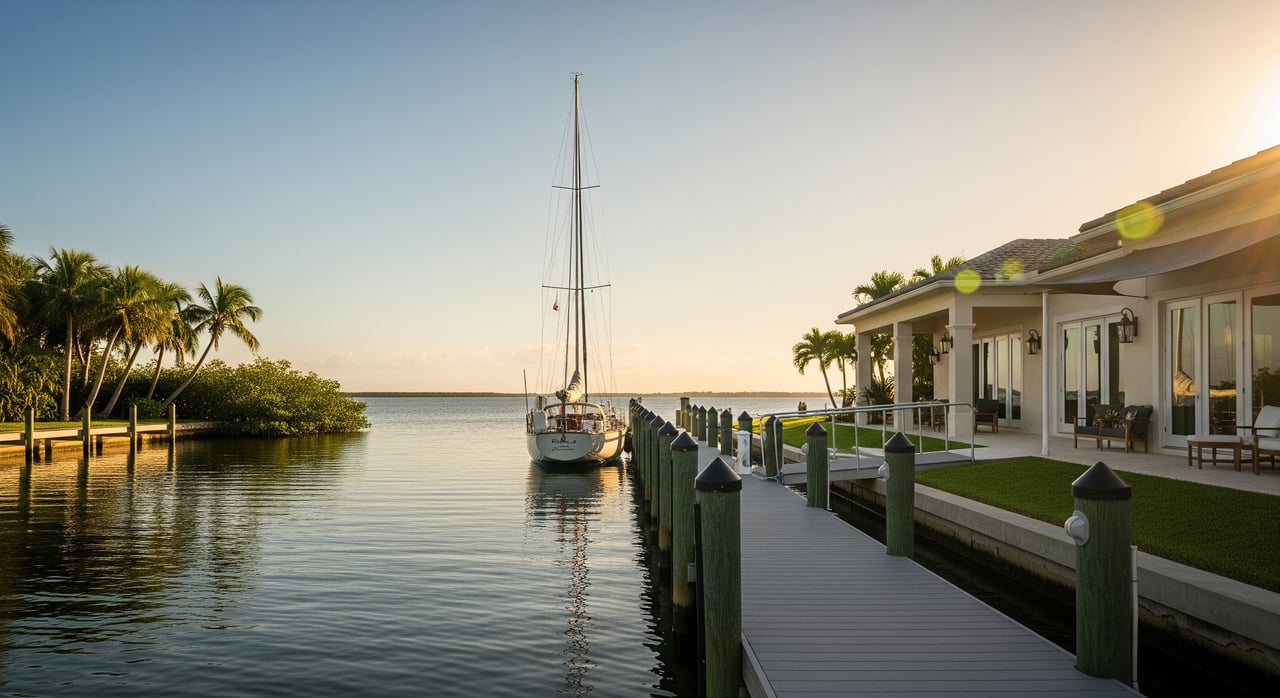
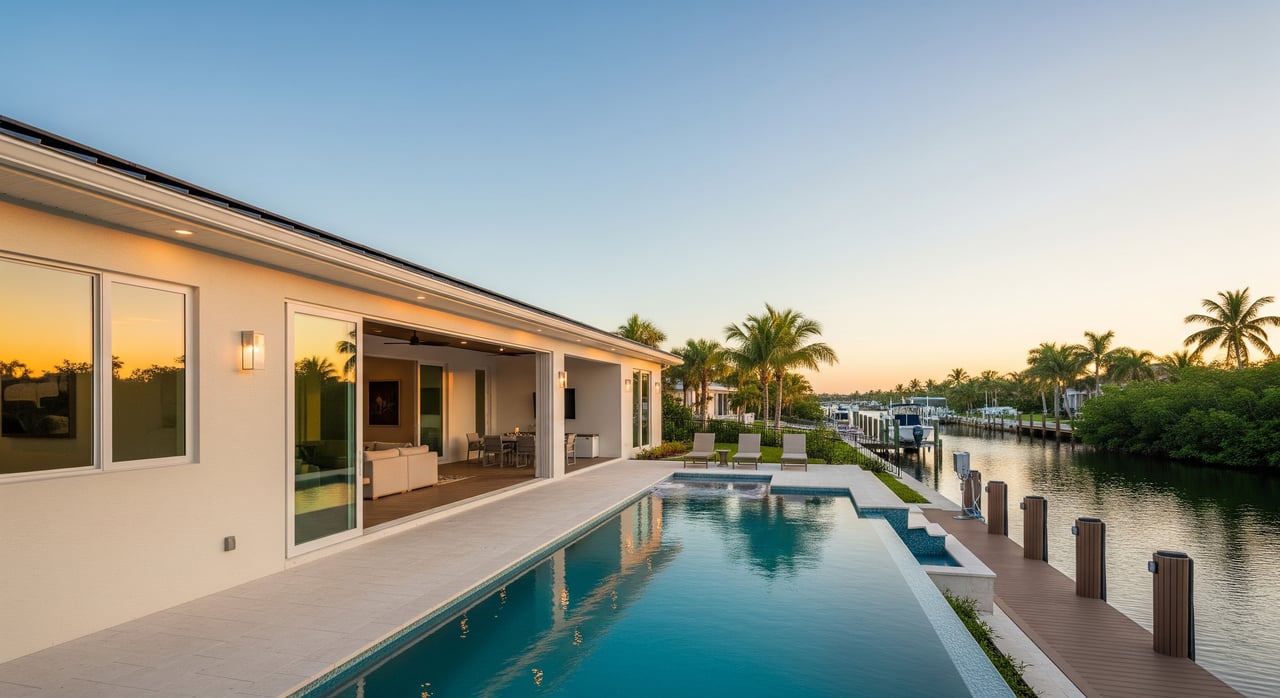
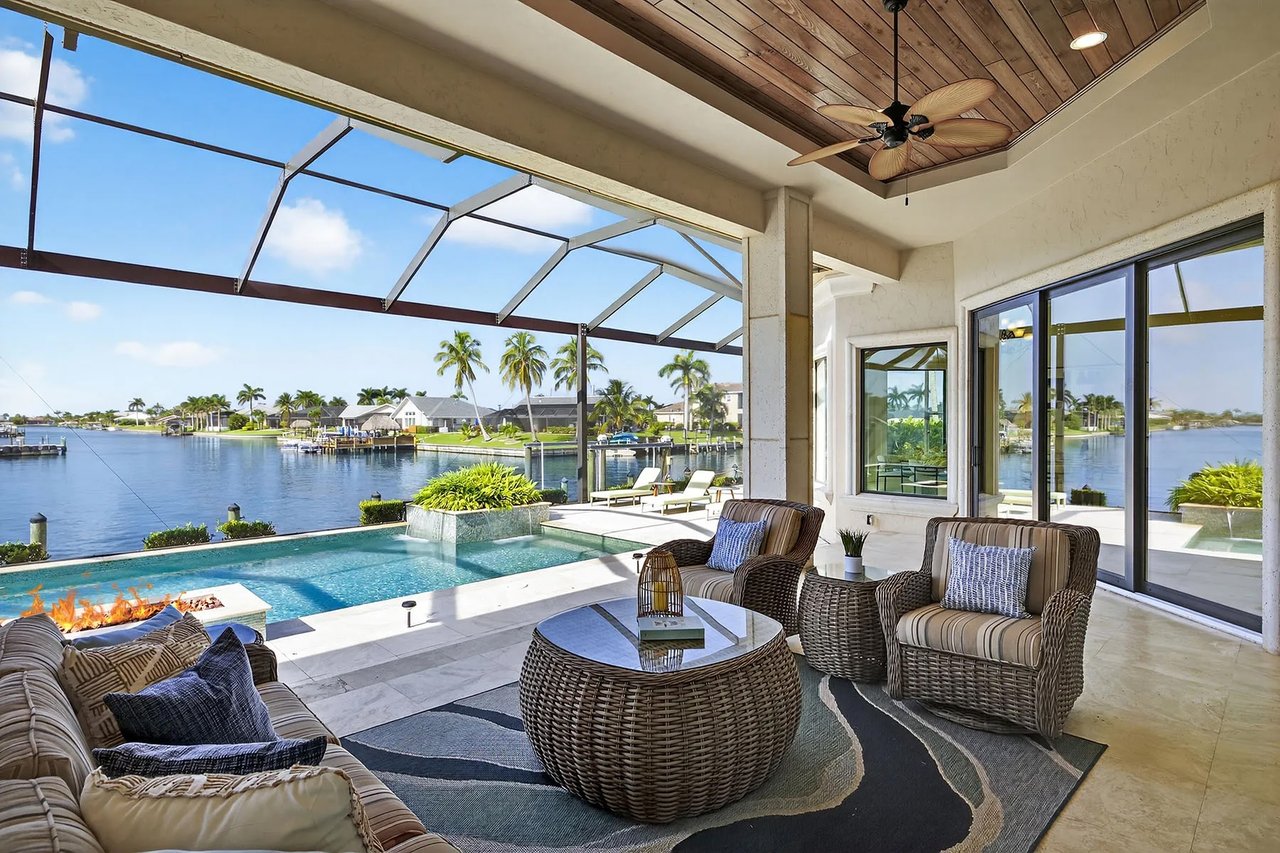
Bonita Springs has many gated and resort-style communities with pools, marinas, golf, fitness centers, and clubhouses. Those amenities require staffing, maintenance, and reserves, which raises operating costs. Coastal exposure also matters. Hurricanes, salt air, and flood-prone areas can increase insurance and maintenance line items.
Older low-rise and mid-rise buildings may be approaching major capital cycles such as roof replacement, balcony work, or exterior coatings. Following statewide attention to building safety after the Surfside tragedy, many associations face new inspection and transparency measures that can drive budgeting and repair timelines. Ask whether the community has completed any required inspections and how those items are funded.
You can avoid surprises by reviewing the right documents and asking targeted questions early. Make these part of your checklist.
Ask directly about recent or planned special assessments, what utilities are included, and which items are the owner’s responsibility. If you plan to rent your home, confirm the rules and any application or deposit requirements.
Lenders count HOA or condo dues in your debt-to-income ratio, so dues influence loan qualification and monthly affordability. Some lenders limit loans in communities with high vacancy, significant litigation, or certain financial issues. Large or unpredictable assessments can affect marketability and resale value since buyers compare total monthly costs across options.
If you are preparing to sell, plan for the paperwork your buyer and their lender will need. You will typically provide an estoppel letter that confirms dues status, fees, and pending assessments. Work with your title company on timing and any association fees for the estoppel. Bring accounts current, organize the governing documents, and be ready to share budgets, insurance certificates, and meeting minutes upon request.
Create an apples-to-apples comparison across properties. List the dues, what they include, your separate insurance needs, and utilities not covered by the association. Pay attention to wind and hurricane deductibles on the master policy in condo buildings. In HOA neighborhoods, factor in your own roof and exterior maintenance. Build a small cushion for potential increases tied to insurance or upcoming capital work.
If you want help interpreting documents, comparing communities, or planning your budget, you do not have to go it alone. Our team knows how amenities, building age, and coastal exposure influence dues across Bonita Springs and greater Southwest Florida. Reach out to the professionals at Integrity 1st Group for clear, local guidance tailored to your goals.
Stay up to date on the latest real estate trends.

Holiday
Markets, maker goods, thrift gems, and thoughtful gifting that stands out

Waterfront Events, City Parties, Holiday Markets
real estate
Why Many Buyers and Sellers Make Their Move Before January

Events
Ten Ways to Explore, Celebrate, and Enjoy SWFL around Thanksgiving 2025

Listing your home doesn't have to be stressful or overwhelming! You can count on great service with years of experience through each transaction. Contact us today to determine the next steps in fulfilling this rewarding experience.
Get In Touch With Our Team To Learn More

ADDRESS 615 Cape Coral Pkwy W, 105 Cape Coral, FL 33914