Moving to Southwest Florida: The Ultimate Relocation Guide (2026)
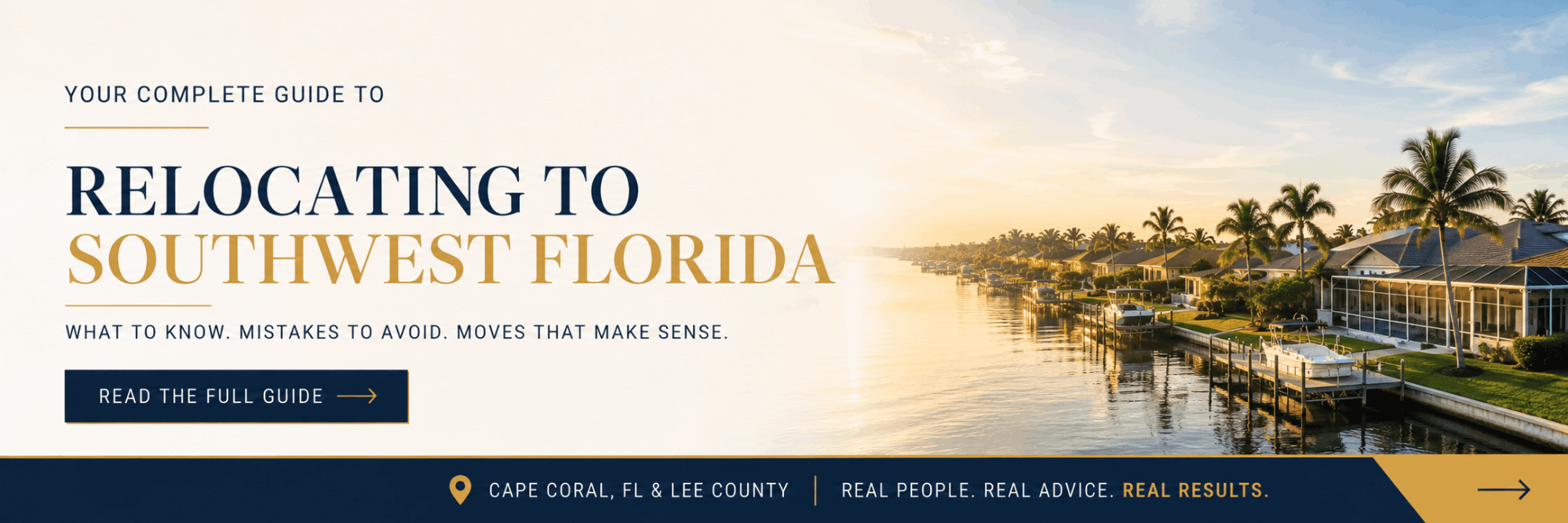 Thinking about the best city to live in Florida? If you're asking yourself what the best city to live in Florida actually is, the honest answer is: it depends on what you're relocating for — and Southwest Florida, particularly Lee County and Cape Coral, consistently rises to the top of that conversation for retirees, remote workers, and young families alike. This guide walks you through what it's really like to move here, what it costs, what trips up newcomers, and how to make the transition without the headaches that catch most first-time Florida buyers off guard. Whether you're relocating in six months or just starting to research, you'll leave this page with a realistic, no-fluff picture of the region.
What Is "Cape Coral, FL" and Why Do So Many People Move Here?
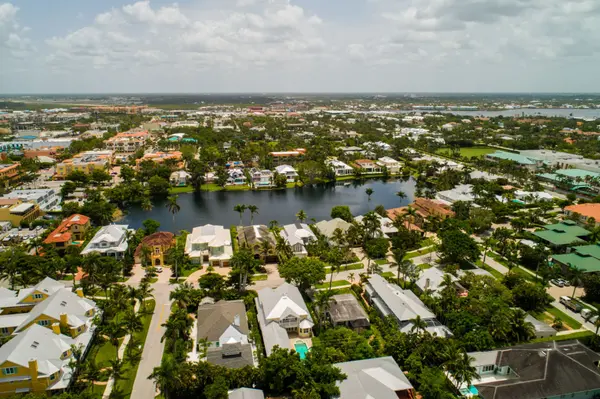
Southwest Florida (often shortened to SWFL) refers to the Gulf Coast region anchored by Lee County, which includes Cape Coral, Fort Myers, Bonita Springs, and Estero, along with neighboring Collier County (Naples). It's distinct from South Florida (Miami-Dade, Broward) and Central Florida (Orlando, Tampa), quieter, more residential, and built around water: canals, beaches, and the Gulf itself.
For newcomers, SWFL tends to appeal because it offers:
- A slower pace of life than Miami or Orlando, without sacrificing amenities
- Some of the most boating- and waterfront-friendly neighborhoods in the state
- A genuinely diverse mix of retirees, young families, and remote professionals
- Lower density than Florida's larger metro areas, with room still left to grow
The region isn't one-size-fits-all, though. Cape Coral is known for its 400+ miles of canals and single-family-home neighborhoods. Fort Myers has more urban infrastructure and healthcare access. Bonita Springs and Estero sit closer to Naples pricing but with slightly more breathing room. Knowing which of these fits your lifestyle is the first real decision in any SWFL relocation.
See What It's Really Like to Live in Southwest Florida
Before diving into relocation costs, insurance, and neighborhood comparisons, take a quick tour of Southwest Florida. This video gives you a firsthand look at Cape Coral, Lee County, and the lifestyle that attracts thousands of new residents every year: Watch Video
Why This Decision Matters: Benefits, Costs, and Real-World Trade-Offs
Moving to Florida is rarely just about the weather. Here's a balanced look at what you're actually signing up for.
The Benefits
- No state income tax — this is real and meaningfully affects retirees and high earners relocating from states like New York, Illinois, or California.
- Year-round outdoor living — boating, golf, fishing, and beach access are part of daily life, not vacation extras.
- Strong healthcare infrastructure in Lee County, particularly around Fort Myers, which serves as a regional hub.
- Relative affordability compared to Naples or Miami, especially in Cape Coral, though "affordable" is relative and has shifted in recent years.
The Real Costs and Risks
Any honest guide has to cover this, because most SWFL-specific content glosses over it:
- Homeowners insurance in Lee County is meaningfully higher than the national average, and premiums have risen sharply since Hurricane Ian (2022). Get an insurance quote before you fall in love with a house — it can change your budget by hundreds of dollars a month.
- Flood zone status matters enormously here. Many desirable canal-front and waterfront properties in Cape Coral sit in FEMA flood zones requiring separate flood insurance, on top of standard homeowners coverage.
- Hurricane exposure is a fact of life, not a remote possibility. Hurricane Ian devastated parts of Lee County in 2022, and rebuilding is still visible in some coastal pockets. This should factor into where you buy, not just whether you move.
- HOA and CDD fees vary widely by community and can add real monthly cost, especially in newer master-planned developments.
- Summer heat and humidity from roughly June through September are intense, and rainy-season afternoon storms are a daily pattern, not an occasional event.
None of this means SWFL is a bad move — it means it's an informed one. People who move here successfully tend to budget for insurance and storm prep from day one instead of being surprised by it a year in.
A Step-by-Step Framework for Relocating to Florida
Step 1: Define Your "Why" Before You Search Listings
Retiree, remote worker, growing family, and investor buyers all end up in different neighborhoods. Naples-adjacent Bonita Springs and Estero suit buyers prioritizing proximity to upscale amenities. Cape Coral suits buyers who want space, water access, and value. North Fort Myers and Lehigh Acres tend to suit budget-conscious buyers willing to trade some polish for price.
Step 2: Get Pre-Qualified and Insurance-Quoted at the Same Time
Most relocation guides tell you to get pre-qualified for a mortgage and stop there. In SWFL, that's not enough. Pull a homeowners insurance quote and a flood insurance quote (if applicable) on any property you're seriously considering before you make an offer. Insurance costs here can be the difference between an affordable home and a financially stressful one.
Step 3: Visit in More Than One Season
If at all possible, see a target neighborhood in both the dry season (roughly November–April) and the wet season (June–September). A canal-front lot that feels idyllic in February can feel very different during a heavy August storm. This single step prevents more relocation regret than almost anything else.
Step 4: Understand Flood Zones and Elevation Before You Fall in Love with a House
Ask for the FEMA flood zone designation and elevation certificate on any waterfront or near-waterfront property. This single document affects your insurance costs, your resale value, and your peace of mind more than almost any other factor in a SWFL purchase.
Step 5: Work With a Local Agent Who Knows Post-Ian Rebuilding Patterns
Some streets and canal systems rebuilt faster than others after 2022. A local agent who has walked these neighborhoods recently — not just pulled comps from a database — will steer you away from lots still working through insurance claims or permitting delays.
Step 6: Plan Your Move Logistically Around Hurricane Season
If possible, avoid scheduling your actual move during peak hurricane season (August–October). If you can't avoid it, build in a contingency plan for moving trucks, closing dates, and temporary housing in case of a storm watch or warning.
Step 7: Register, Re-License, and Establish Residency Correctly
Once you close, register to vote, get a Florida driver's license, and file a Declaration of Domicile if you're establishing Florida as your primary residence for tax purposes. This matters most for retirees coming from high-income-tax states who want the tax benefits to actually apply.
Expert Tips for a Smoother Relocation to Southwest Florida
- Talk to an insurance agent before your realtor if your budget is tight. Insurance costs vary block-to-block in flood-prone areas, and it changes what "affordable" means for you.
- Ask about assessments, not just HOA dues. Post-storm communities sometimes levy special assessments for infrastructure repairs — ask directly rather than assuming the monthly fee is the full cost.
- If relocating for retirement, look into Florida's homestead exemption and how it interacts with your prior state's tax rules — a financial advisor familiar with Florida residency rules can save you real money.
- Use a local buyer's agent, not just a national referral service. Someone who works Lee County daily will know which streets flooded in 2022 and which didn't, information that rarely shows up in a listing.
- Consider renting for 3–6 months before buying if you're not tied to a specific timeline. It lets you experience a full seasonal cycle and confirm the neighborhood fits before committing.
- Budget separately for hurricane prep — shutters, a generator, and an emergency kit are not optional extras in this region; they're standard homeownership costs.
Frequently Asked Questions
What is the best city to live in Florida for retirees?
— Cape Coral offers value and waterfront living with a quieter pace. Bonita Springs and Estero sit closer to Naples-level amenities at a premium. Fort Myers offers stronger healthcare access. Retirees should weigh cost, healthcare proximity, and lifestyle pace together rather than relying on a single ranking.
Is Cape Coral a good place to relocate to?
—Yes, for many buyers — it offers canal and waterfront access, a large single-family housing stock, and relative affordability compared to Naples. The trade-offs are limited public transit and higher exposure to flood-zone insurance requirements in canal-front areas.
How much does homeowners insurance cost in Lee County?
— It varies significantly by flood zone, construction age, and roof condition, and has risen substantially since Hurricane Ian. Rather than relying on a general number, get a property-specific quote before making an offer — this is one of the most important steps in the entire relocation process.
Is Cape Coral Florida safe from hurricanes?
— No region on Florida's Gulf Coast is hurricane-proof, and Lee County was significantly impacted by Hurricane Ian in 2022. Buyers should research a property's flood zone, elevation, and construction standards, and budget for hurricane preparedness as a standard cost of homeownership here.
How long does it take to relocate to Southwest Florida from out of state?
— Timelines vary, but most out-of-state buyers spend 2–4 months from initial search to closing, plus additional time for movers and logistics. Building in a buffer around hurricane season (August–October) is worth the extra planning.
Conclusion
The "best city to live in Florida" isn't a single answer — it's the city that matches your budget, your risk tolerance, and your lifestyle priorities. For many relocating families and retirees, that ends up being somewhere in Lee County: Cape Coral for value and waterfront living, Fort Myers for infrastructure and healthcare access, or Bonita Springs and Estero for a quieter, upscale feel. The buyers who land well here are the ones who research insurance and flood zones early, visit in more than one season, and work with someone who knows the region block by block — not just the market averages.
If you're actively considering a move to Southwest Florida, Integrity 1st Realty Group can walk you through neighborhood-specific insurance realities, flood zone considerations, and current inventory across Lee County. Reach out through Integrity 1st Realty Group to schedule a no-pressure conversation about your relocation timeline.
Categories
Recent Posts