Cape Coral Home Inspection Checklist: 9 Things That Kill Deals Here
Cape Coral Home Inspection Checklist: 9 Things That Kill Deals Here
By Sheri Harris, Integrity 1st Group | eXp Realty — Cape Coral, FL
Every market has its inspection headaches. In Cape Coral, they tend to be the same handful of issues over and over again. I've walked through inspection reports on hundreds of transactions at this point, and certain items come up so often I can almost predict them from the listing photos.
Some of these are negotiation points. Some are deal-killers. And a few will affect whether you can even get insurance, which in Florida means they might as well be deal-killers.
Here's what to watch for.
1. Polybutylene piping
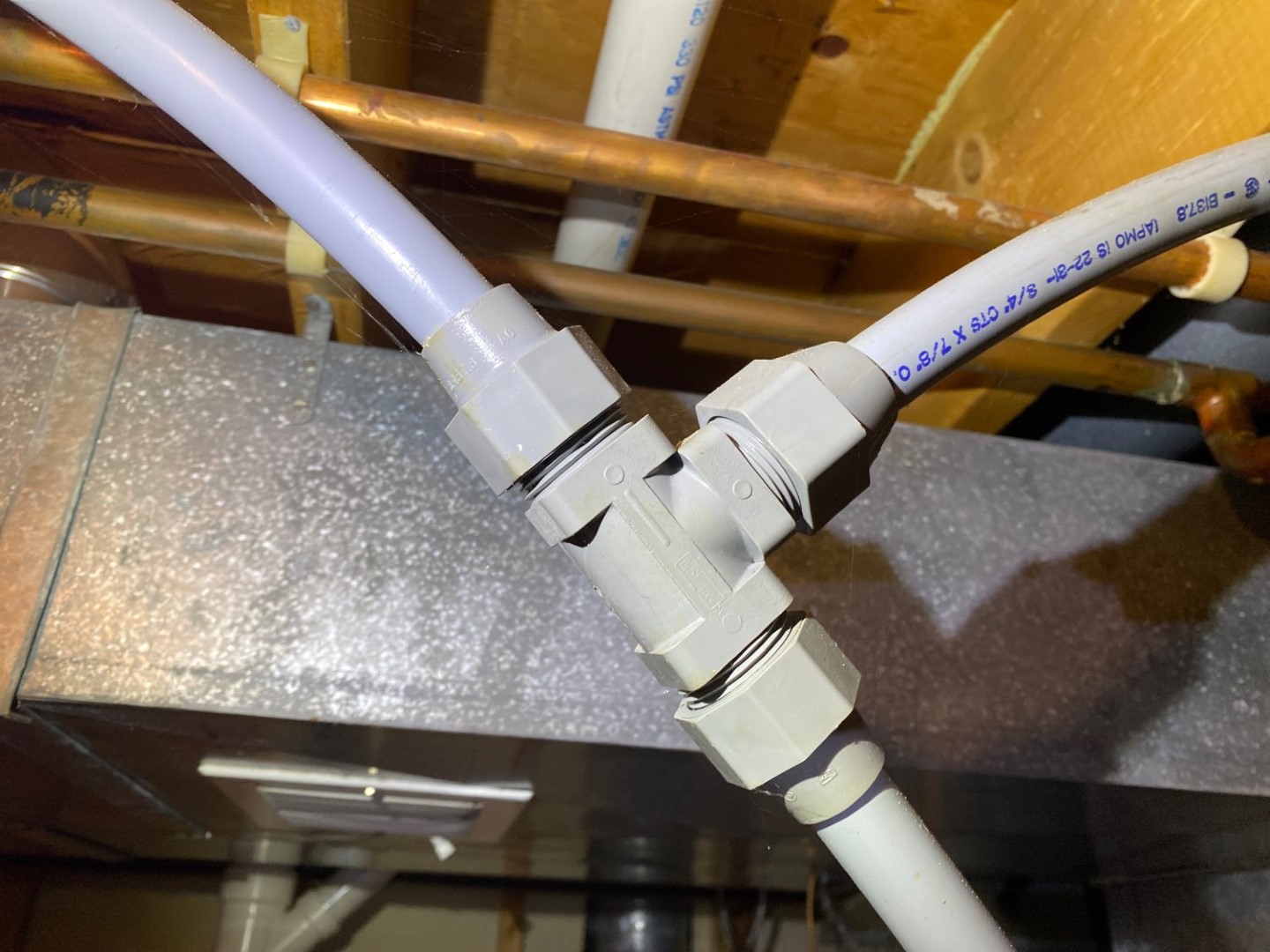
This is the one that catches the most buyers off guard. Polybutylene (PB) is a plastic pipe that was installed in roughly 1 in 5 American homes built between 1978 and 1995. Cape Coral had a construction boom during that exact window, so there are thousands of homes here with PB plumbing still in the walls.
The problem: chlorine and other chemicals in municipal water break down polybutylene from the inside. The pipe looks fine on the outside but becomes brittle internally, then cracks or blows apart at the fittings. When it fails, it's not a slow drip. It's a full stream of water, often in the attic or behind a wall where nobody notices until serious damage is done.
How to spot it: PB pipes are usually gray (sometimes blue, white, or black), flexible, and marked with "PB2110" stamped along the side. Your home inspector should identify them, but always ask specifically.
Why it matters for buyers: many Florida insurance companies refuse to cover homes with polybutylene piping, or they require proof of replacement before writing a policy. If you can't get insurance, your lender won't close the loan. Replacement (called repiping) runs $4,000 to $20,000 depending on the home's size and whether pipes are under a slab. Most homes can be repiped with PEX in one to two days, plus a few more days for drywall patches and paint. It's disruptive but not a reason to walk away from an otherwise good house. Just factor the cost into your offer.
2. Roof age and condition
Florida roofs take a beating. Between hurricane-force winds, UV exposure, and afternoon thunderstorms eight months a year, a roof that might last 30 years up north often needs replacing at 15 to 20 in Cape Coral.
Here's the insurance issue: most Florida insurers won't write a new policy on a home with a roof older than 15 years (some draw the line at 10 or 12). If the roof is aging and you need a mortgage, you may need the seller to replace it before closing or negotiate a credit large enough to cover the cost.
A new shingle roof in Cape Coral runs roughly $15,000 to $25,000 for a standard home, depending on size and materials. Metal roofs cost more upfront ($25,000 to $45,000) but last 40+ years and can lower your insurance premiums. After Hurricane Ian, a lot of Cape Coral homes got new roofs. If you're looking at post-2022 construction or a home that was reroofed after the storm, this is one less thing to worry about.
3. The electrical panel
Two brands of electrical panels are red flags in Cape Coral: Federal Pacific Stab-Lok and Zinsco (sometimes branded as Sylvania). Both were common in homes built in the 1970s and 1980s, and both have documented histories of breakers failing to trip during an overload, creating a fire risk.
Like polybutylene piping, these panels can cause insurance problems. Some carriers won't cover a home with a Federal Pacific or Zinsco panel, or they'll require replacement before issuing a policy. A panel replacement typically runs $1,500 to $3,000.
Aluminum wiring is another one from that era. Homes built in the mid-1960s through the 1970s sometimes used aluminum branch wiring instead of copper. Aluminum expands and contracts more than copper, which can loosen connections over time and create fire hazards. Insurance companies are aware of it. Some require an electrician's inspection and remediation (usually pigtailing the connections with copper) before they'll write coverage.
4. Chinese drywall
This one has mostly been identified and dealt with, but it still occasionally shows up. Chinese drywall was imported heavily between 2004 and 2008, right during Cape Coral's last construction boom. The drywall contains sulfur compounds that emit hydrogen sulfide gas, which corrodes copper wiring, air conditioning coils, and plumbing. If you walk into a home and notice a sulfur or rotten-egg smell, tarnished copper wires behind outlet covers, or prematurely corroded AC coils, have the inspector test for Chinese drywall specifically.
Remediation is expensive because it involves replacing all the affected drywall, rewiring, and replacing HVAC components. Most homes with known Chinese drywall were remediated years ago, but in the occasional foreclosure or estate sale, you might encounter one that was missed.
5. HVAC age and condition
Air conditioning is life support in Cape Coral. AC units here run 8 to 10 months a year and tend to wear out faster than in cooler climates. A unit that's 12 to 15 years old is approaching end of life in Florida, even if it's still running during a showing.
Inspectors will check the age (stamped on the unit's data plate), refrigerant type (older R-22 Freon systems are expensive to service since the refrigerant is no longer manufactured), and overall condition. A new AC system runs $6,000 to $12,000 installed. Like roofs, the age of the HVAC unit can affect insurability. Some carriers want to see systems under 20 years old.
6. Hurricane preparedness: shutters and windows
Cape Coral's building code now requires hurricane protection on all new construction. But homes built before the code changes may have no shutters, no impact windows, and garage doors that aren't wind-rated.
This matters for two reasons. First, an unprotected home is genuinely at higher risk during a hurricane. Second, having hurricane shutters or impact windows qualifies you for significant insurance discounts through a wind mitigation inspection. A wind mitigation report costs about $75 to $100, and the savings on your annual premium can be $500 to $1,500 or more. If the home you're buying doesn't have shutters or impact windows, it's worth budgeting for them after closing.
7. Seawall condition (waterfront homes)
I covered this in the gulf access vs. freshwater post, but it bears repeating here because inspectors often don't check seawalls. A standard home inspection doesn't include a seawall evaluation. You need to specifically request a marine contractor inspection.
Seawall replacement runs $150 to $250 per linear foot. An 80-foot lot means $12,000 to $20,000 if the wall needs full replacement. Cracks, leaning, or separation from the cap are warning signs. The cost of not catching this before closing is significantly higher than the $300 to $500 you'll spend on a separate seawall inspection.
8. Flood zone and elevation
Your inspector won't tell you this, but the property's flood zone determines your insurance requirements and costs for as long as you own it. Check the FEMA flood zone before the inspection, not after. Properties in AE zones require flood insurance if you have a mortgage. Homes built below the base flood elevation will have higher premiums. Homes built above it will pay less.
If the home was built before 1993, there may not be an elevation certificate on file with the city. Order one during your inspection period so you can get an accurate flood insurance quote before you close. This is $300 to $500 well spent.
9. Unpermitted additions and improvements
Cape Coral has a lot of owner-modified properties. Enclosed lanais, converted garages, added bedrooms, pools built without permits. The city's building department has records of permitted work for every address. If the listing says "4 bedrooms" but the permit records show a 3-bedroom home, someone converted a room without a permit.
Unpermitted work creates problems at resale, with insurance, and potentially with the city's code enforcement. During your due diligence, pull the permit history for the property. Your agent should do this as a matter of course, but if they don't, ask.
The inspection isn't the end of the negotiation
Finding issues on an inspection isn't a reason to panic. It's information. Every one of the items on this list is either fixable or priceable. The question is always: who pays for it, and how much? A good agent helps you figure out which items to negotiate on, which to accept, and which are genuine walk-away problems. In three years and nearly 200 transactions, I can count on one hand the number of deals that fell apart over an inspection issue that couldn't be resolved. The ones that do fall apart are almost always because someone didn't know to check for these things before they got emotionally attached to the house.
Sheri Harris is the Team Leader of Integrity 1st Group, brokered by eXp Realty, serving Cape Coral and Southwest Florida. With nearly 200 closed transactions and over $86 million in volume, Sheri and her team of 12 agents help buyers and sellers navigate Cape Coral's unique market. Contact the team at (239) 471-2550 or visit integrity1stgroupswfl.com.
Categories
Recent Posts