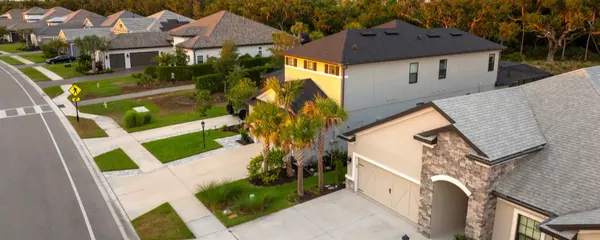
How to Sell Your Home in Cape Coral: What Actually Moves the Needle in 2026
Selling in Cape Coral right now is different from selling in 2021. Back then, you could stick a sign in the yard on Tuesday and have three offers by Thursday. That market is gone. Cape Coral currently has 6 to 9 months of inventory, homes are taking longer to sell, and 37% of active listings have reduced their asking price at least once.
That doesn't mean your home won't sell. It means you can't sleepwalk through the process and expect top dollar. The sellers who are getting strong results right now are the ones doing the work upfront.
Here's what that looks like.
Price it right from day one
This is where most sellers lose money, and it's counterintuitive. Overpricing doesn't give you "room to negotiate." It gives you stale listing syndrome.
In today's Cape Coral market, fresh first-attempt listings that are priced correctly sell in about 24 days. Overpriced listings that sit for 60 to 90 days and then reduce end up selling for less than if they'd been priced right from the start. Data from March 2026 shows that relisted homes (properties that failed the first time around) sell for a median of $47,000 below their original asking price. That's not a negotiation. That's a correction.
The gap between what sellers are asking and what buyers are paying is about 13% per square foot in Cape Coral right now. That sounds like a lot, but it's skewed by listings above $500,000 where sellers are still pricing as if it's 2022. Below $500,000, priced-right homes are moving at close to asking.
How to price correctly: look at closed sales from the last 90 days within a half-mile of your property, with similar square footage, lot type (waterfront vs. dry), and condition. Ignore active listings. Those are wishes, not data. Your agent should pull a comparative market analysis that uses sold prices, and you should be willing to price at or slightly below the cluster of recent comps. The goal is to attract the most showings in the first two weeks. That's when buyer interest peaks.
Pre-listing prep that pays for itself
Not every improvement is worth doing before selling. Here are the ones that matter in Cape Coral specifically.
Roof certification. If your roof is approaching 15 years old, get a roof inspection and certification before listing. Buyers know that Florida insurers won't cover roofs older than 15 years. If your roof is in good shape but aging, a certified inspection report removes that objection before it stalls your deal. If your roof actually needs replacing, you're better off knowing now. A new shingle roof ($15,000 to $25,000) is cheaper than the price reduction you'll take when a buyer's inspector flags it.
Pool and cage condition. About half of Cape Coral homes have pools. If yours does, resurface it if the plaster is rough or stained (a $5,000 to $8,000 investment that removes a common objection). If the screen cage has tears or sagging panels, rescreen it. A rescreened cage costs $2,000 to $5,000 and makes the entire backyard photograph better. In a market where buyers are scrolling through hundreds of listings on their phones, the pool and lanai photos are often what stop them from swiping past.
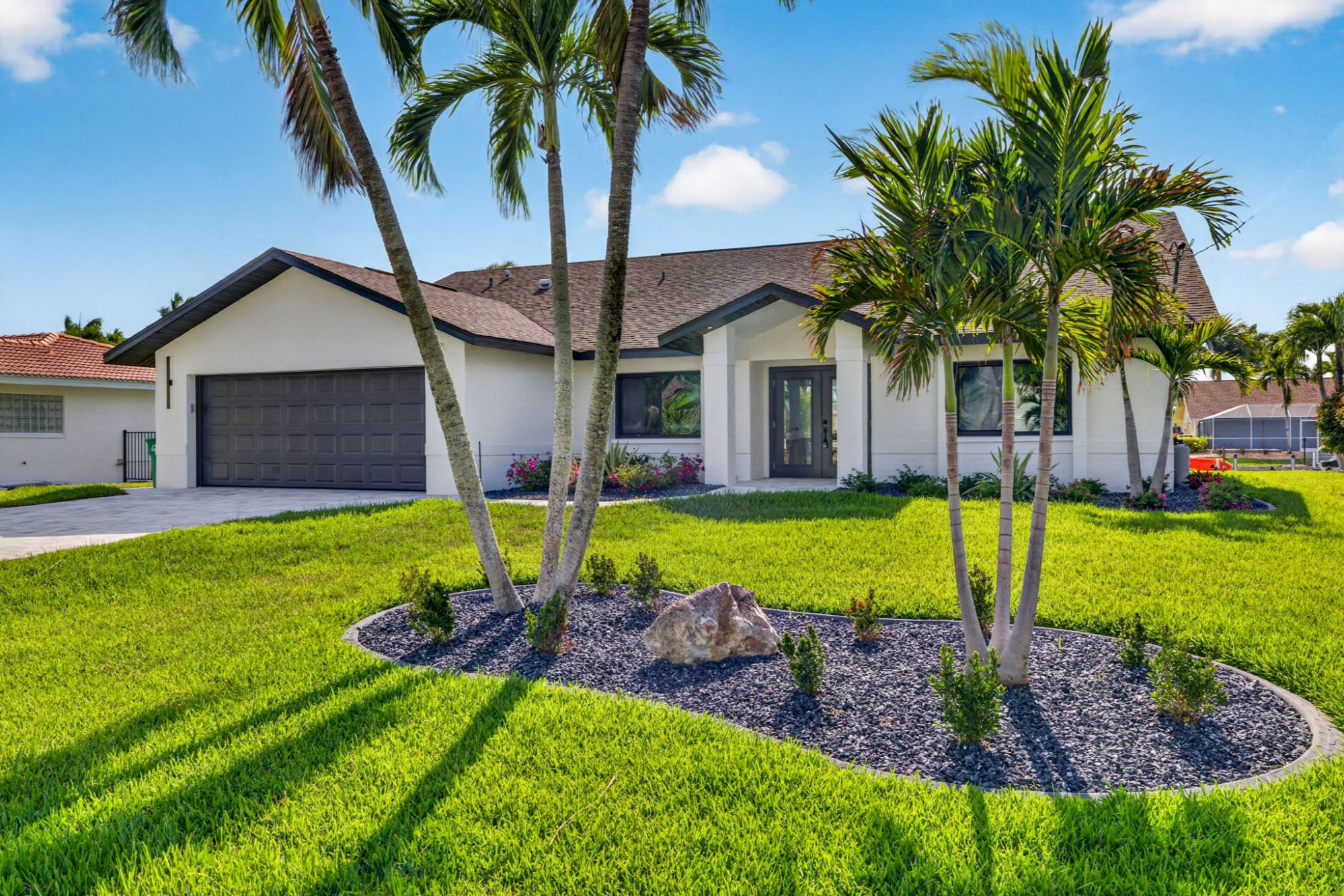
Landscaping and curb appeal. Fresh mulch, trimmed hedges, pressure-washed driveway. This isn't expensive ($500 to $1,500) and it affects first impressions more than you'd think. Cape Coral homes on a grid can look similar from the street. The ones that look maintained get the showings.
Deep clean and declutter. Not optional. Professional cleaning ($200 to $400) is one of the highest-return investments in selling. Remove personal items, thin out furniture, and make every room feel larger than it is. Buyers need to see themselves in the house. They can't do that if your family photos and collections are in every room.
Don't over-renovate. I see sellers spend $30,000 on a kitchen remodel before listing and then wonder why they didn't recoup the cost. In Cape Coral's current market, buyers expect updated kitchens and bathrooms in the $500K+ range but not in the $300K to $400K range. Match your improvements to your price point. Painting kitchen cabinets ($2,000 to $4,000) returns more per dollar than a full cabinet replacement.
Selling a waterfront home: additional steps
If your home is on a canal, you have a few extra items to address.
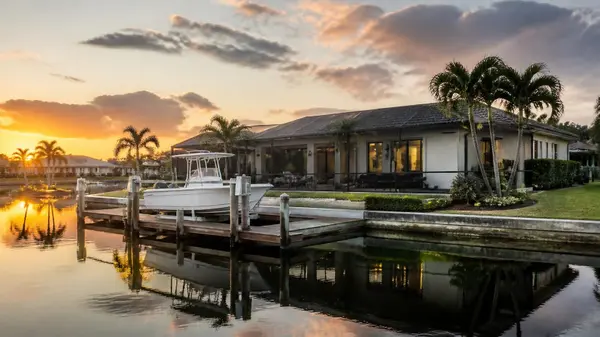
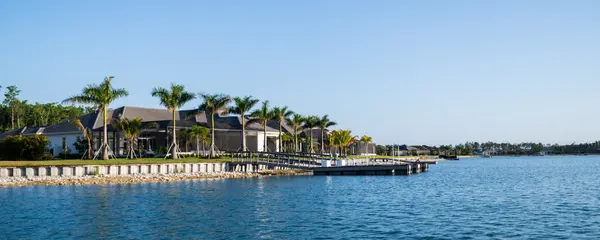
Seawall condition. Buyers will either inspect the seawall themselves or ask for a credit. If your seawall has visible cracks, leaning, or separation from the cap, get a marine contractor assessment before listing. Knowing the condition and estimated cost lets you price accordingly instead of being surprised mid-negotiation.
Dock and boat lift. If you have a dock or boat lift, make sure they're in working order and any modifications were permitted. Unpermitted dock work can delay or kill a closing.
Canal type matters for marketing. Make sure your listing clearly states whether the property has direct sailboat access, indirect gulf access (with bridge heights noted), lock access, or freshwater canal. Buyers searching for waterfront homes filter by these terms. If your listing just says "waterfront" without specifying the type, you'll miss qualified buyers who are searching for your exact product.
What sellers should expect in 2026
Buyer concession requests are normal. In the current market, buyers are asking for seller credits toward closing costs, insurance premium prepayment, or rate buydowns. This isn't a sign of a weak offer. It's how the market works right now. If a buyer offers $375,000 with a $10,000 closing cost credit request, your net is $365,000. Compare that to your comparable sales, not to your listing price.
Inspections will generate repair requests. Buyers in a market with leverage will ask for more after the inspection than they would have in a seller's market. Decide in advance which items you're willing to fix, credit, or refuse. A good agent helps you draw that line.
Timeline: expect 30 to 90 days on market for a priced-right home. The median days on market in Cape Coral is currently around 53 days. Add 30 to 45 days for closing after going under contract. From listing to closing, plan for 60 to 135 days total. Overpriced homes can sit for 180+ days.
The closing cost math for sellers
Florida sellers typically pay:
Real estate commissions. Negotiable between you and your listing agent, and potentially shared with the buyer's agent.
Title insurance. In Florida, the seller customarily pays for the owner's title insurance policy. On a $375,000 sale, that's roughly $2,000 to $2,500.
Documentary stamps. Florida charges $7 per $1,000 of the sale price. On a $375,000 sale, that's $2,625.
Prorated property taxes. You'll owe taxes through the closing date.
Any outstanding liens, HOA fees, or assessments. These must be clear before title can transfer.
Potential buyer concessions. As discussed above.
Total seller closing costs in Cape Coral typically run 7% to 9% of the sale price, including commission. On a $375,000 sale, expect $26,000 to $34,000 in total costs coming off your proceeds.
The bottom line
Cape Coral homes are selling. The market isn't frozen. But the sellers getting the best results are the ones who price accurately, prep the home properly, and understand that 2026 buyers have options. They're not desperate, and they're not going to overpay. Meet them where the market actually is, and you'll close in a reasonable timeframe at a fair price.
Sheri Harris is the Team Leader of Integrity 1st Group, brokered by eXp Realty, based in Cape Coral, FL. With nearly 200 closed transactions and over $86 million in sales volume, Sheri and her team of 12 agents help sellers maximize their returns in any market. Contact the team at (239) 471-2550 or visit integrity1stgroupswfl.com.
Categories
Recent Posts