Waterfront vs. Inland Homes in Southwest Florida: The Real Pros, Cons, and Costs Before You Buy
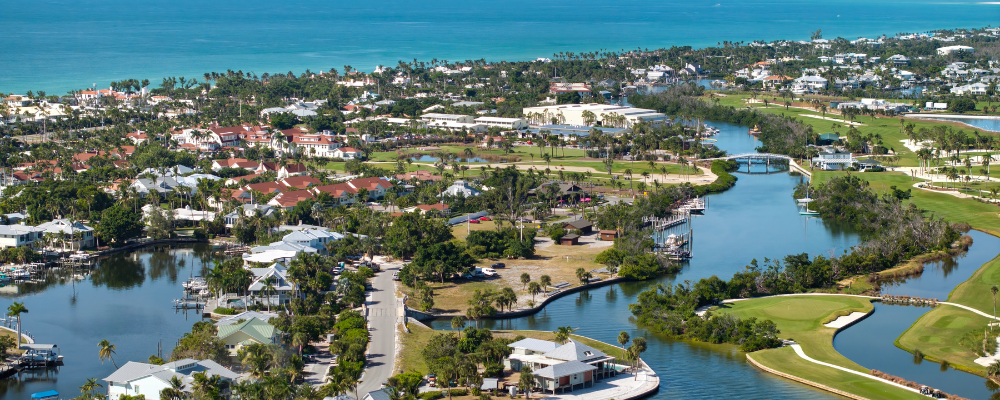
Two houses on the same Cape Coral street can sell for wildly different prices, and the difference usually isn't the house. It's the water behind it.
For most buyers, the question is simple: is a waterfront lifestyle worth a 20% to 50% price premium plus higher insurance and maintenance costs? If you will boat, fish, or paddle regularly, often yes. If you mainly want the view, an inland home or a freshwater canal lot usually delivers more value. This guide compares waterfront and inland living across price, insurance, maintenance, lifestyle, and resale, with Southwest Florida specifics like Gulf access, bridge heights, flood zones, and seawall costs that most generic comparisons skip.
What Waterfront vs. Inland Really Means in Southwest Florida
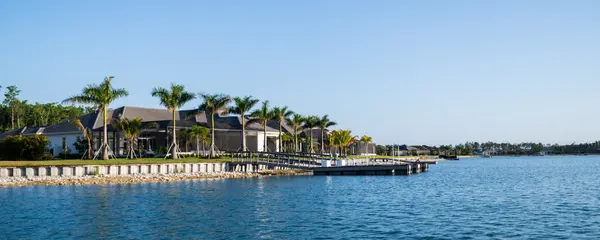
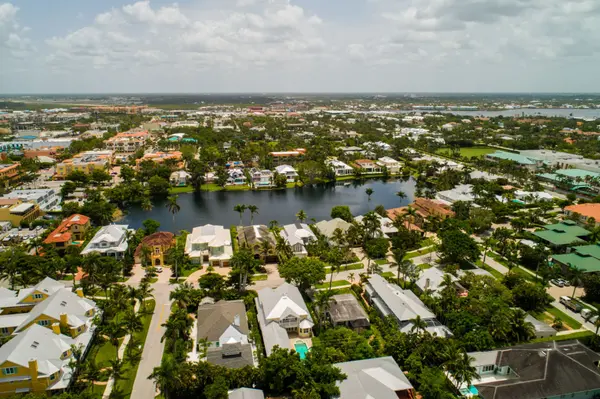
"Waterfront" is not one category here. Cape Coral alone has more than 400 miles of canals, and the type of water frontage changes the price, the risk, and the lifestyle. Before comparing waterfront to inland, it helps to know the three waterfront tiers:
Gulf-Access, No Bridges
Direct, unobstructed boat travel to the river and Gulf. Usually the strongest premium and the steadiest buyer demand.
Gulf-Access With Bridges
You can reach the Gulf, but bridge clearance limits the height of the boats you can run. Priced below no-bridge access.
Freshwater Canal
No saltwater and no Gulf access. Great for kayaking, fishing, and views, and typically priced noticeably below Gulf-access homes on the same street.
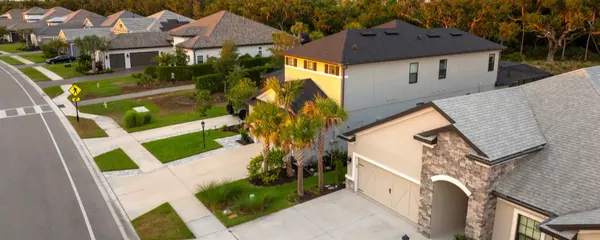
Inland homes, by contrast, sit on dry lots with no water frontage. In Cape Coral that often means newer subdivisions in the northern and eastern parts of the city, plus areas around Fort Myers, Estero, and Lehigh Acres. Think of it this way: a waterfront home is a house plus a recreational amenity you maintain. An inland home is a house plus more budget left over.
Why It Matters: The Price, Insurance, and Maintenance Data
The sticker price is only the start. These figures are approximate and vary by street, elevation, and carrier, so treat them as planning ranges and confirm with real quotes.
Waterfront Price Premium
Canal-front homes in Cape Coral commonly sell at a premium over comparable dry-lot homes, depending on access type and location.
Freshwater Discount
Freshwater canal homes often trade around a third below Gulf-access homes on the same street, which matters if you don't own a boat.
Yearly Waterfront Insurance
One 2026 local comparison put combined waterfront wind and flood coverage in Cape Coral in this range per year. Your quote can differ.
Seawall Replacement
Replacing a standard 80-foot concrete seawall can run in this range, and it is the owner's responsibility in Cape Coral.
"A seawall can cost more than a kitchen remodel, and no one puts it in the listing photos."
Side-by-Side: Waterfront vs. Inland
| Factor | Waterfront | Inland |
|---|---|---|
| Purchase price | Higher; premium varies by access type | Lower; more square footage per dollar |
| Flood risk | More often in higher-risk flood zones | More properties in lower-risk Zone X |
| Insurance | Flood coverage often required; premiums higher | Flood coverage often optional; premiums lower |
| Extra upkeep | Seawall, dock, lift, canal silt | Standard home maintenance |
| Lifestyle | Boating, fishing, water views | Pools, yards, newer communities |
| Resale buyer pool | Narrower, more lifestyle-driven | Broader, more predictable |
Local estimates compiled from 2026 Southwest Florida market commentary. Ranges are approximate; get current quotes before making an offer.
The Pros and Cons at a Glance
Waterfront
- Pro: Boating, fishing, and paddling from your backyard
- Pro: Scarce supply, since no new Gulf-access canals are being built
- Pro: Strong lifestyle appeal and resale demand at the premium tier
- Con: Higher purchase price and insurance cost
- Con: Seawall, dock, and lift upkeep that falls on the owner
- Con: More exposure to flood and storm surge risk
Inland
- Pro: Lower price and often a bigger home or yard for the money
- Pro: Lower insurance, and flood coverage is often optional in Zone X
- Pro: No seawall or dock to maintain
- Pro: Broader buyer pool at resale
- Con: No direct water access or water views
- Con: Less scarcity-driven upside in strong markets
Step-by-Step: How to Decide Between Waterfront and Inland
-
Be honest about how often you'll use the water
If you'd go out on a boat twice a month or more, Gulf access earns its premium. If it's mostly for the view, a freshwater canal or inland home usually wins on value.
-
Match access type to your boat
Check bridge clearance, canal width, and the time it takes to reach open water. A sailboat and a center-console fishing boat need very different access.
-
Get insurance quotes before you write an offer
Ask for wind, flood, and any required elevation certificate. A quote on a canal home can look nothing like a quote on a home a mile inland.
-
Check the flood zone and the elevation
Zones like AE and VE carry stricter requirements than Zone X. Two neighboring lots can sit in different zones, so look up the exact property.
-
Inspect the seawall, dock, and lift separately
Hire a marine or seawall specialist. A general home inspector will not evaluate these, and they are expensive surprises.
-
Compare total monthly cost, not list price
Add the mortgage, insurance, taxes, and a seawall and dock reserve. A cheaper waterfront price can still cost more per month than a pricier inland home.
-
Think about your exit plan
If you may sell in five years, favor properties with broad appeal and documented seawall condition. A well-maintained, no-bridge Gulf-access home tends to hold buyer interest best.
Common Mistakes & Myths to Avoid
"Any canal home has Gulf access."
RealityMany Cape Coral canals are freshwater only, and others have low bridges. Confirm the exact route to open water before you fall for the dock.
"Standard homeowners insurance covers flooding."
RealityIt does not. Flood insurance is a separate policy and is often required by lenders in higher-risk zones.
"The seller's seawall must be fine if the home passed inspection."
RealityA standard home inspection typically does not cover seawalls or docks. Order a separate specialist inspection.
"Waterfront always appreciates faster."
RealityWaterfront can outperform in strong markets, but it also carries more cost and a narrower buyer pool. In softer markets, inland homes often sell more predictably.
Pro Tips & Tools Used by Experts
FEMA Flood Map Service Center
Look up the exact flood zone for any address before you tour it.
Elevation Certificate
Documents the home's elevation relative to flood level and can lower flood insurance premiums.
Wind Mitigation Inspection
Identifies roof, window, and door features that can qualify for insurance credits.
Seawall & Dock Specialist
A marine contractor can assess condition and estimate remaining life and replacement cost.
Local Insurance Agent
An independent agent can compare carriers and flood options before you commit.
Comparative Market Analysis
Shows what waterfront and inland homes are actually selling for on your target streets.
FAQs
Is a waterfront home worth the extra cost in Cape Coral?
It can be if you will use the water regularly. The price premium, flood and wind insurance, and seawall and dock upkeep add up, so buyers who mainly want the view often get better value from an inland home or a freshwater canal lot.
How much more do waterfront homes cost than inland homes?
Canal-front homes in Cape Coral commonly sell at a premium of roughly 20% to 50%, depending on access type. Gulf-access homes sit at the top of that range, while freshwater canal homes often trade about 30% to 40% below Gulf-access homes on the same street.
Do I need flood insurance on a waterfront home?
Often yes. Standard homeowners policies do not cover flood damage, and lenders typically require flood coverage for properties in higher-risk flood zones. Always check the exact flood zone and get a quote before making an offer.
Who pays for the seawall in Cape Coral?
The property owner. Seawall replacement on a standard lot can run roughly $52,000 to $72,000, so a seawall inspection is one of the most important steps when buying a canal home.
Are inland homes easier to resell?
Often, yes. Inland homes attract a broader buyer pool and more predictable comparable sales, while waterfront homes depend more on lifestyle buyers and on the condition of the seawall and dock.
Final Takeaways
Waterfront living in Southwest Florida delivers something inland homes can't: your own dock and a straight run to the Gulf. It also comes with a higher purchase price, more insurance, and upkeep that falls entirely on you. Inland homes give up the water but return more space, lower costs, and a broader resale market. The best choice isn't the one with the nicest view. It's the one whose full monthly cost and daily lifestyle you can truly live with.
Not Sure Which Fits Your Budget and Lifestyle?
Integrity 1st Group can compare waterfront and inland options side by side, including insurance, flood zone, and seawall considerations, so you know the true cost before you make an offer.
Integrity 1st Group • 615 Cape Coral Pkwy W, Suite 105, Cape Coral, FL 33914 • integrity1stgroup@gmail.com
Categories
Recent Posts